Product Range
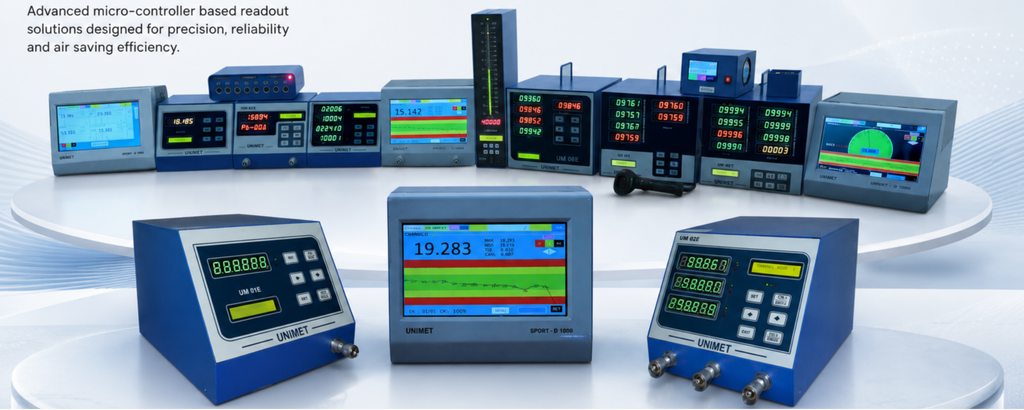
Electronic Readouts
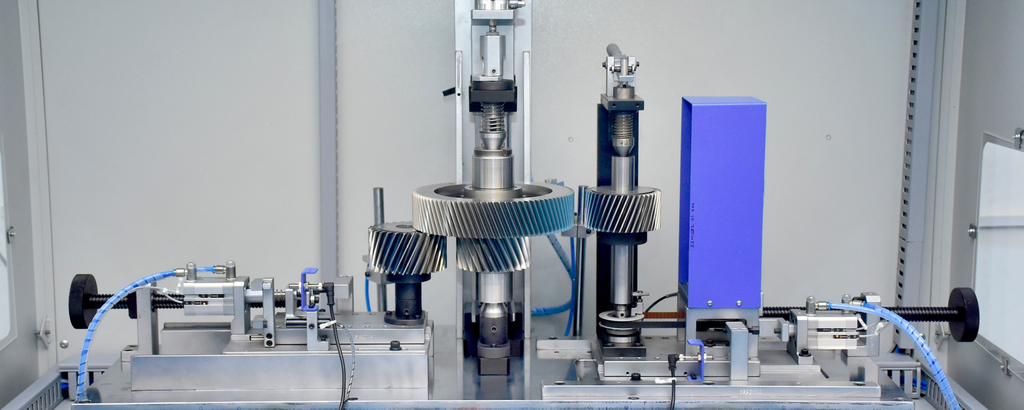
Gear Rolling Tester
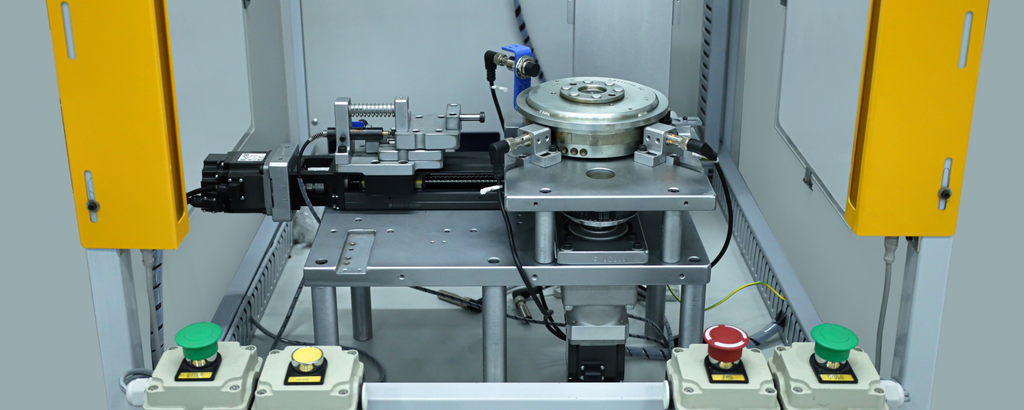
Multi-Gauging Systems
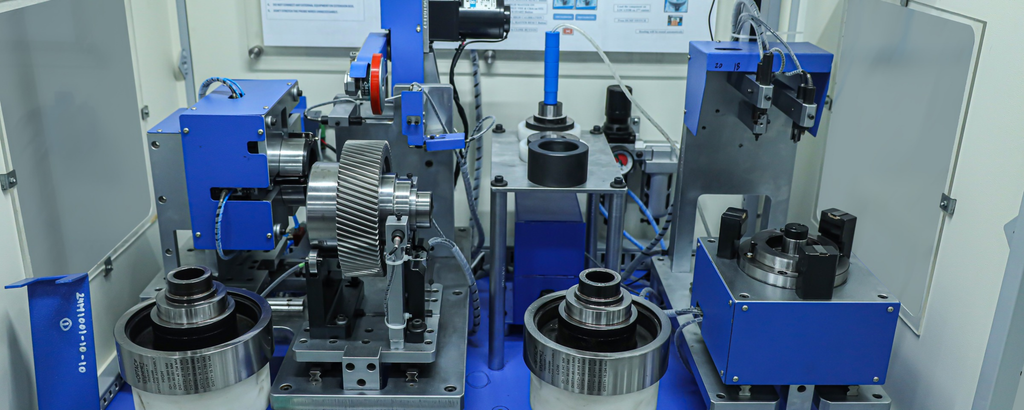
Auto-Gauging Systems
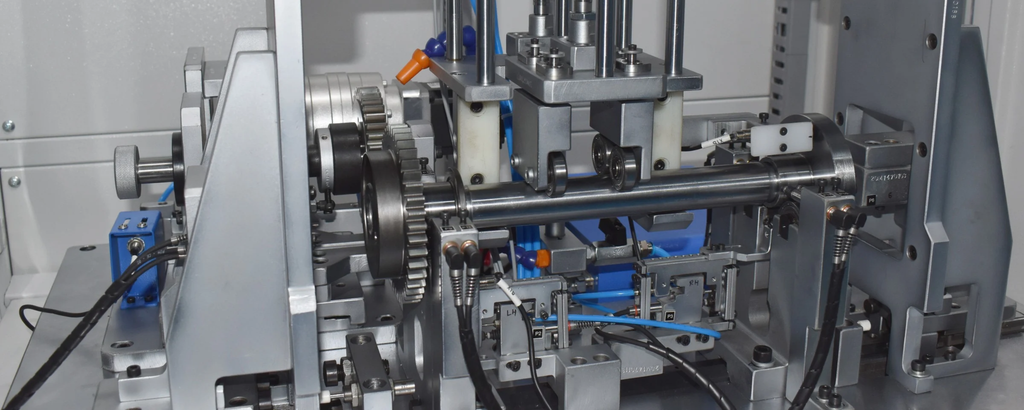
Customized Gauging / SPM System
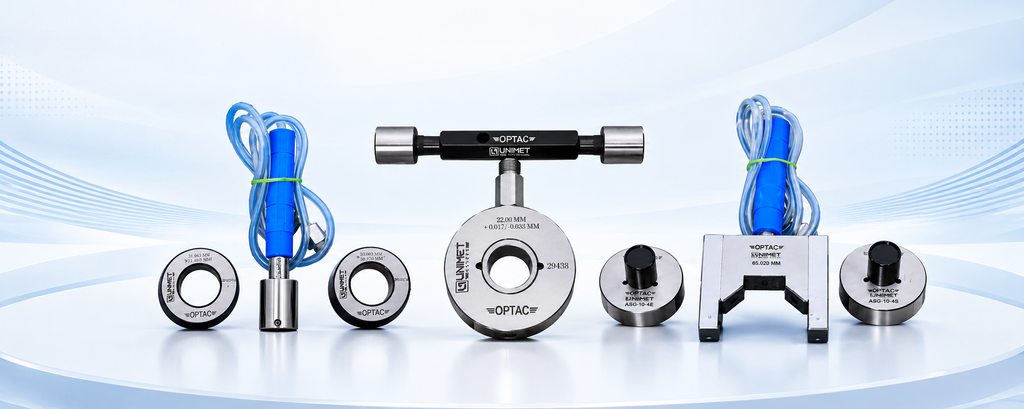
Conventional Gauging
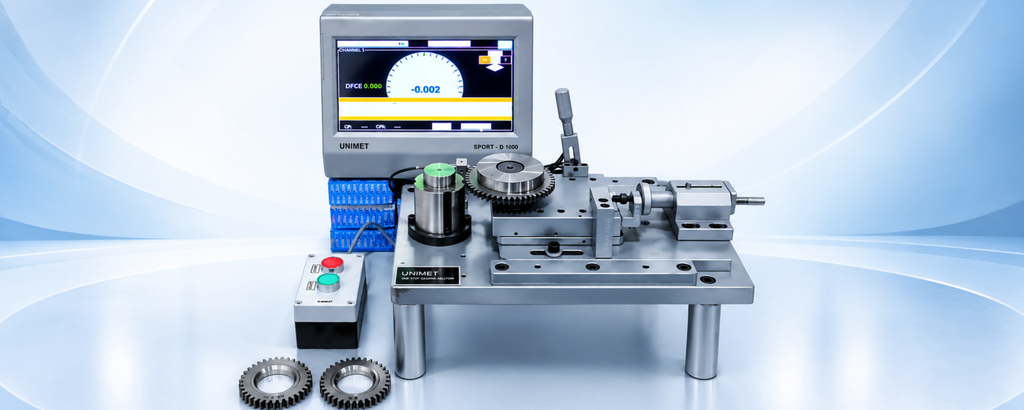
Manual Gauging Systems
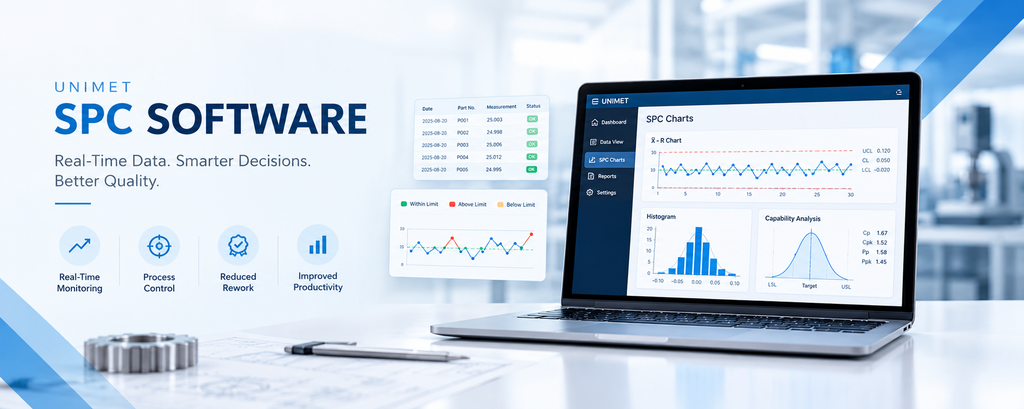
Statistical Process Control Software
Applications
Find your component
Most of our work sits in the automotive driveline and transmission, but the same platforms suit any high-volume
precision component. Each component has its own page.
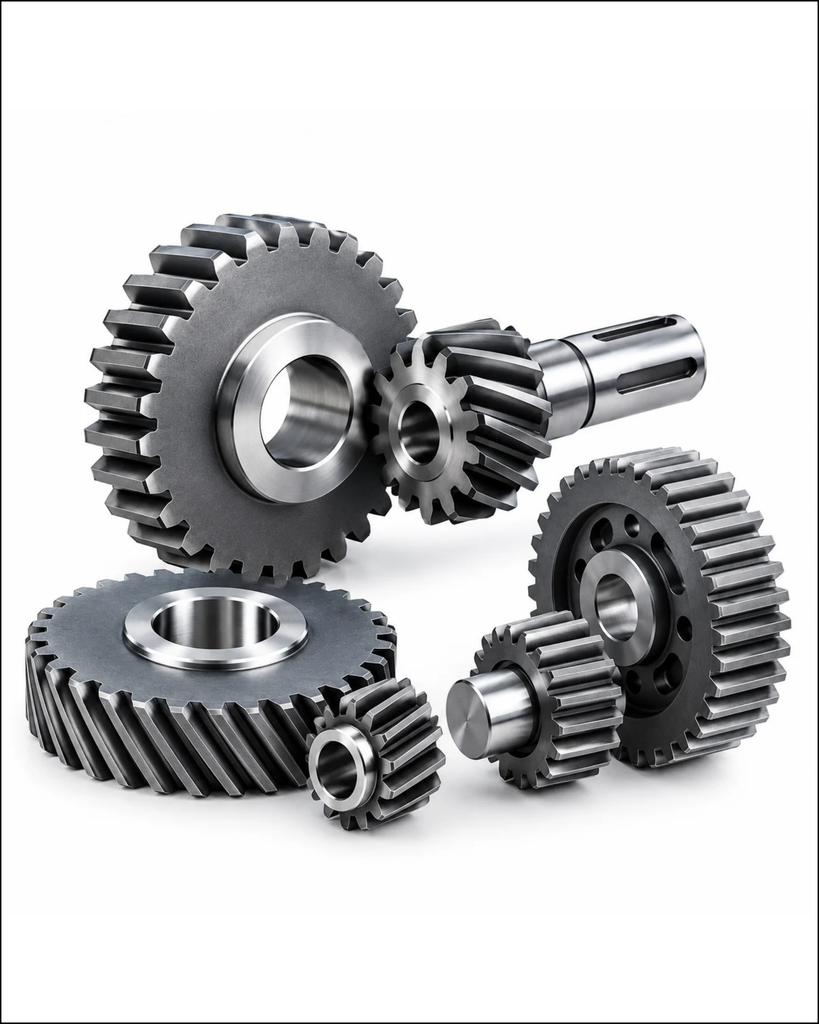
Gears and pinions
Our gear testing solutions ensure accurate double-flank roll testing, bore and face runout, and span-over-pins inspection for reliable gear quality control.
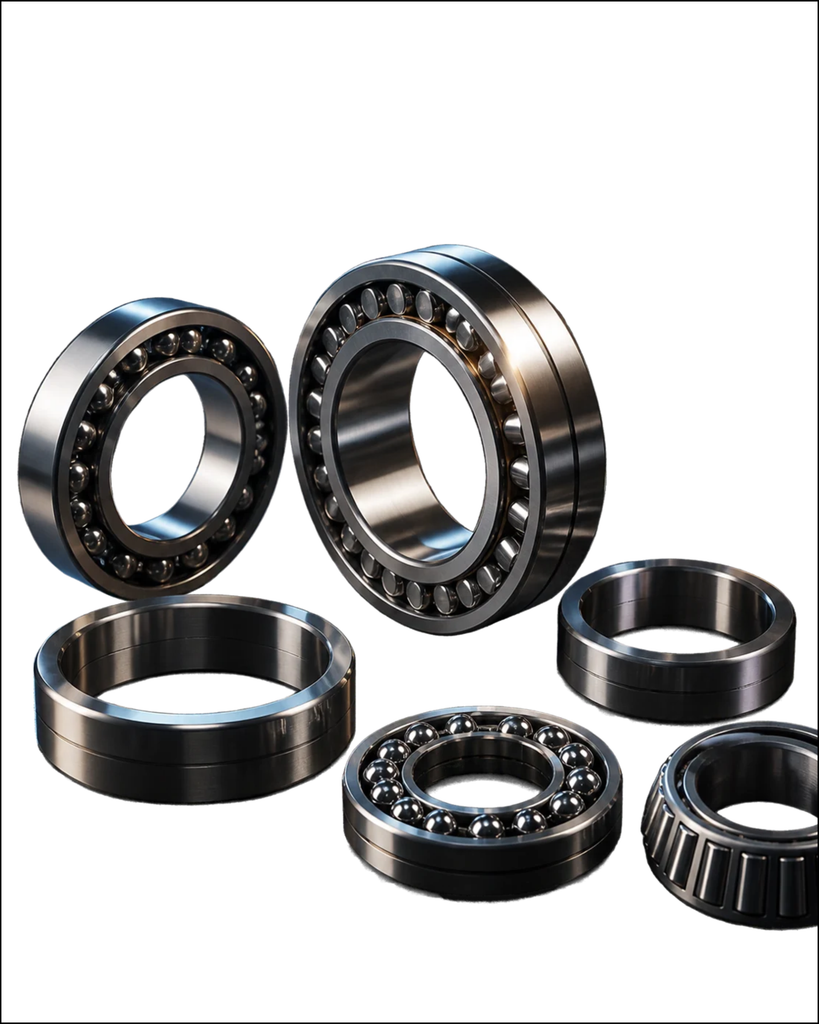
Bearings and rings
Our gauging systems measure inner and outer diameters, width, and radial runout, ensuring accurate inspection and consistent component quality.
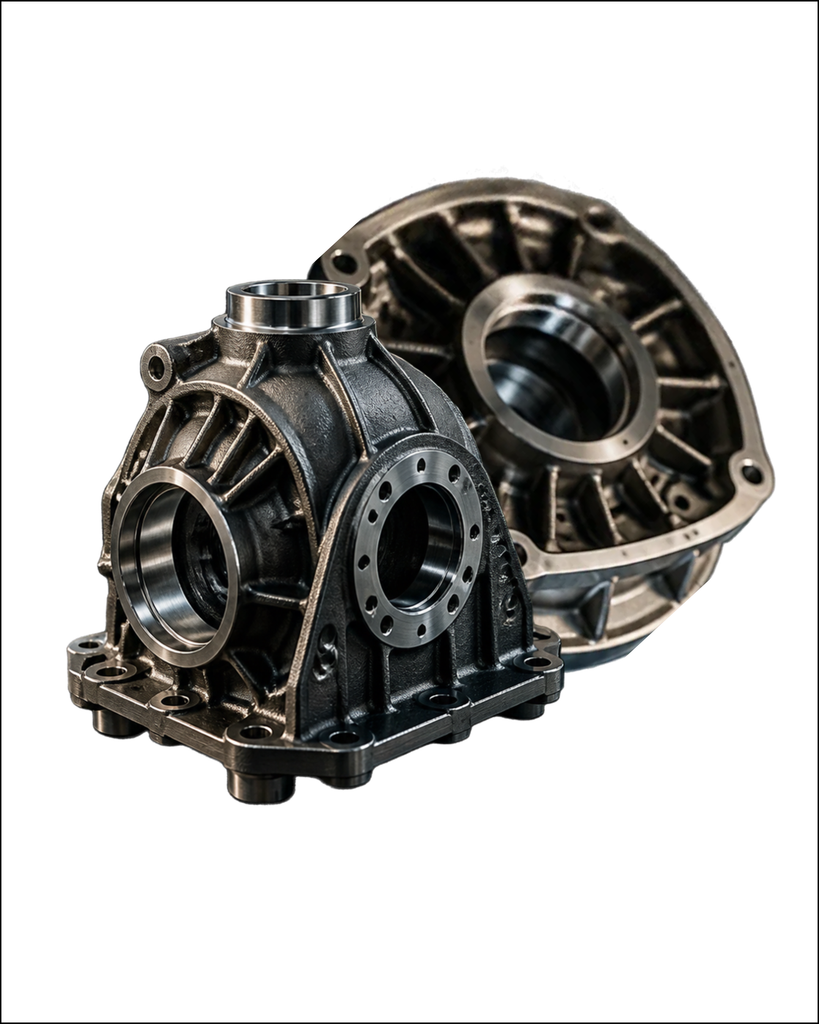
Differential cases
Our multi-gauging systems measure bore sizes, window width, squareness, and depth in a single cycle, improving inspection speed and accuracy.
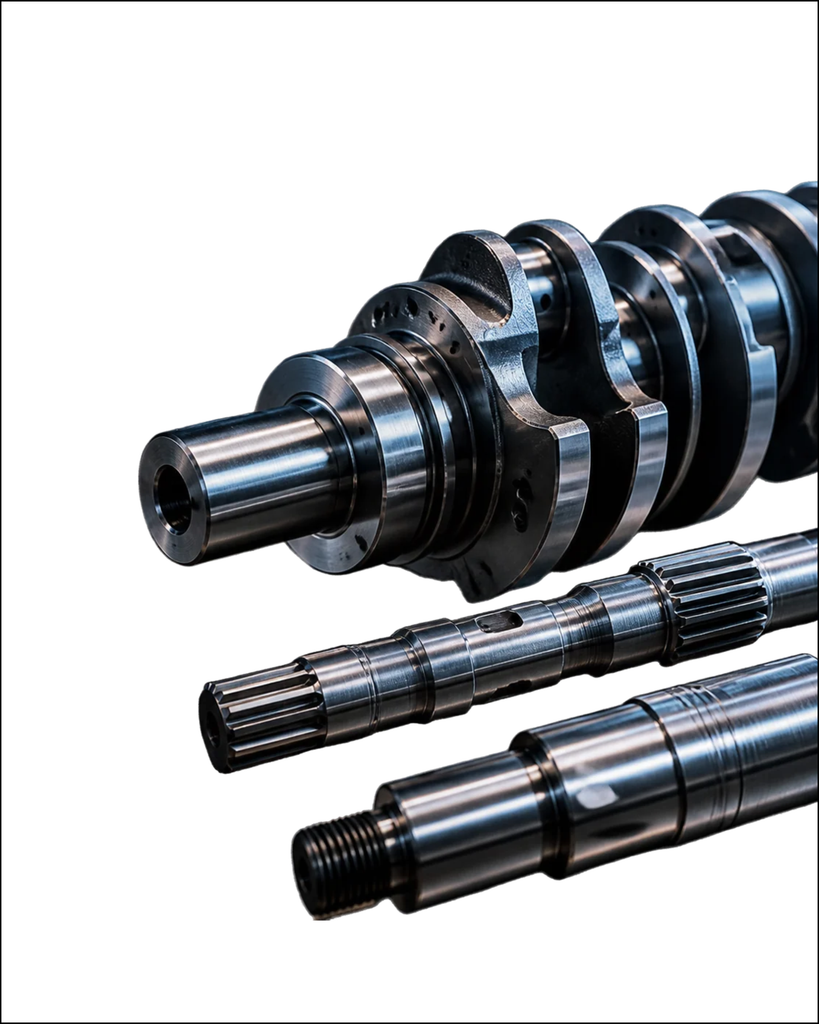
Steering components
Our precision gauging solutions accurately measure diameters, journal runout, length, and taper, ensuring consistent quality and reliable performance.
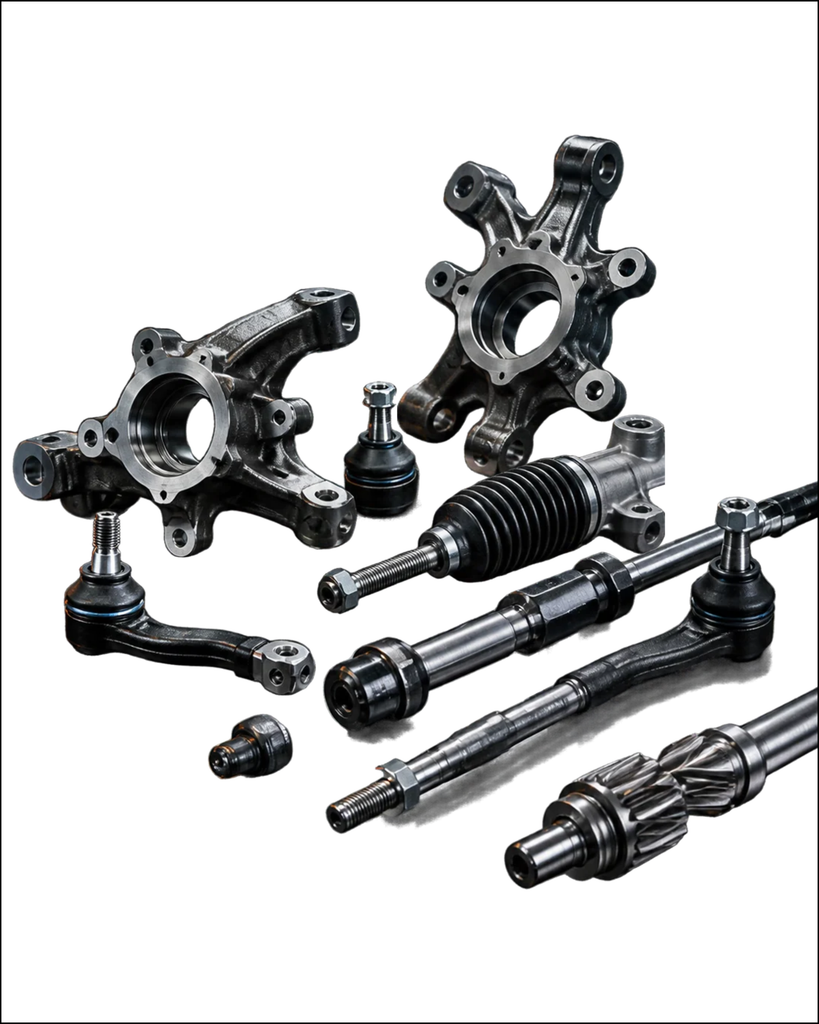
Steering components
Our gauging systems measure rack and housing dimensions with dynamic parameters, ensuring improved inspection and manufacturing efficiency.
HOW A SYSTEM GETS BUILT
Concept to service, under one roof
These are steps in order, not a menu. You send a drawing; we hand over a working gauge on your line and train the operators who use it.
01
Application and design
We study the component, the tolerance stack and the cycle time, then propose a gauging concept and a measurement method before anything is cut.
02
Electronics
Probe selection, readout, PLC and HMI, line control units, and cloud data storage for remote monitoring across stations.
03
Production
Precision machining, grinding and assembly on our own machines, so tolerances on the gauge stay tighter than tolerances on your part.
04
Trials and capability
Gauge R&R and capability trials on your actual parts before dispatch, with the study report supplied.
05
Calibration
NABL-accredited in-house laboratory with traceable masters. Certificates issued with every system and at every recalibration.
06
Installation, training and service
Commissioning at your plant, operator and maintenance training, then ongoing support and spares.
Electric Vehicles
The driveline changed. The tolerances got tighter.
An e-axle reduction gear turns at three times the speed of a conventional transmission gear, and there is no engine noise to mask it. The gauging you had for ICE parts is not enough.
SEE OUR EV WORK →Rotor shafts
Journal diameters, runout, balance-critical concentricity
Reduction gears
DFCE and TTCE at NVH-driven tolerances
E-axle housings
Bore alignment and squareness across two centres
Differentials
Case bores, window width, depth in one cycle